When to use sewer jetting for a blocked drain on a construction site
When to use sewer jetting for a blocked drain on a construction site
Blocked drains can quickly disrupt construction activities, create safety risks, and delay project schedules if not addressed promptly. Sewer jetting, also known as drain jetting or high-pressure drain cleaning, is one of the most effective methods for clearing drainage blockages and restoring flow within stormwater and sewer infrastructure.
Whether you're managing a civil construction project, infrastructure upgrade, industrial facility, or council works program, understanding when sewer jetting should be used can help minimise downtime and prevent costly drainage issues.
What is sewer jetting?
Sewer jetting uses a high-pressure water stream directed through a flexible hose into a drain or pipeline. The jet cuts through blockages, removes built-up scale and debris, and flushes the cleared material out of the system. It’s effective on grease, sediment, root intrusion, construction debris, and general accumulation in drainage lines.
The common causes of construction site drain problems
On active construction sites, drains block more frequently and for different reasons than in residential settings. Common culprits include the following:
- Sediment and debris build-up
- Improper stormwater management
- Concrete and grout washout
- Heavy equipment damage
- Oil, grease, and contaminated liquid runoff
What to expect from a drain jetting service
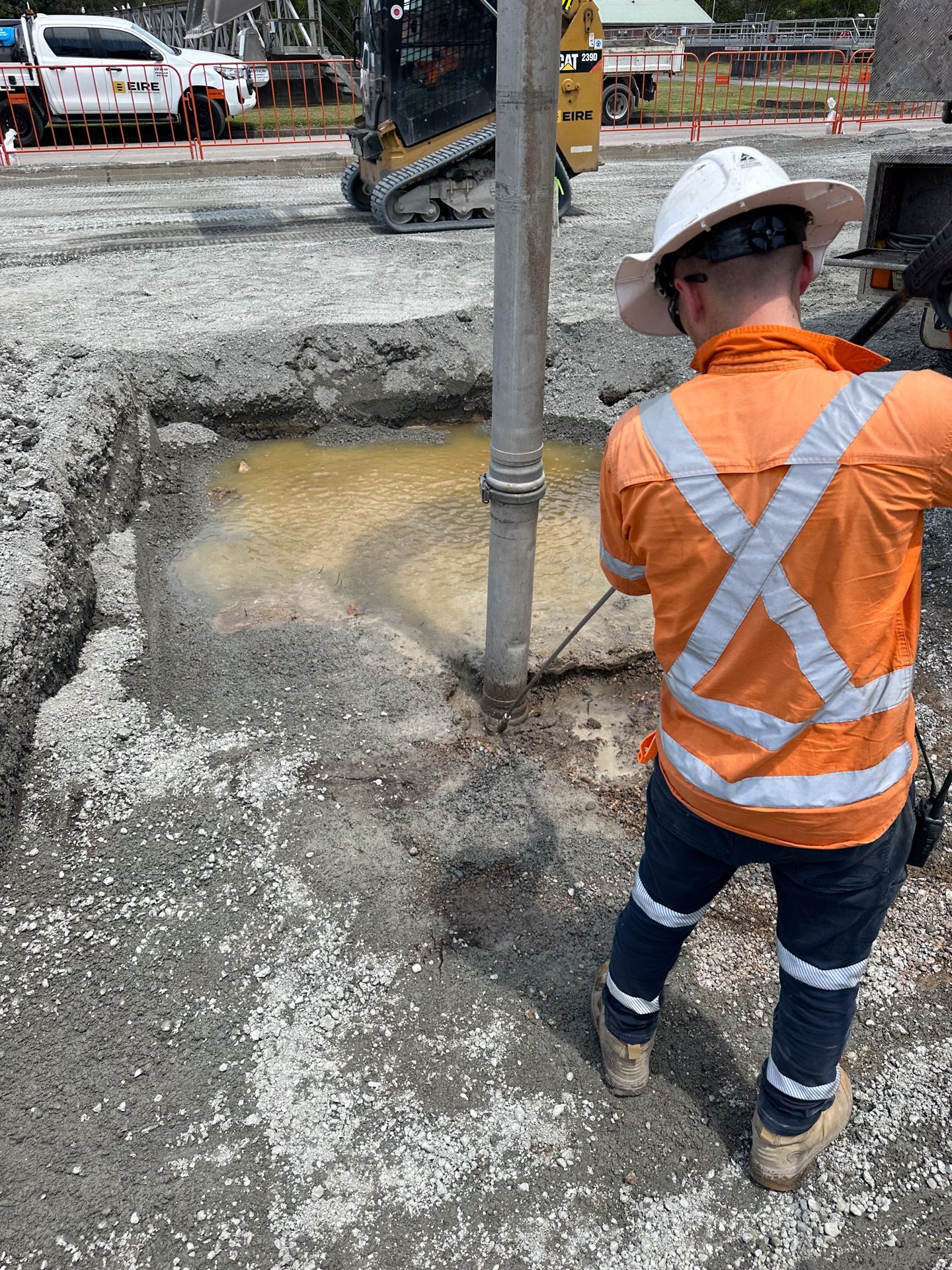
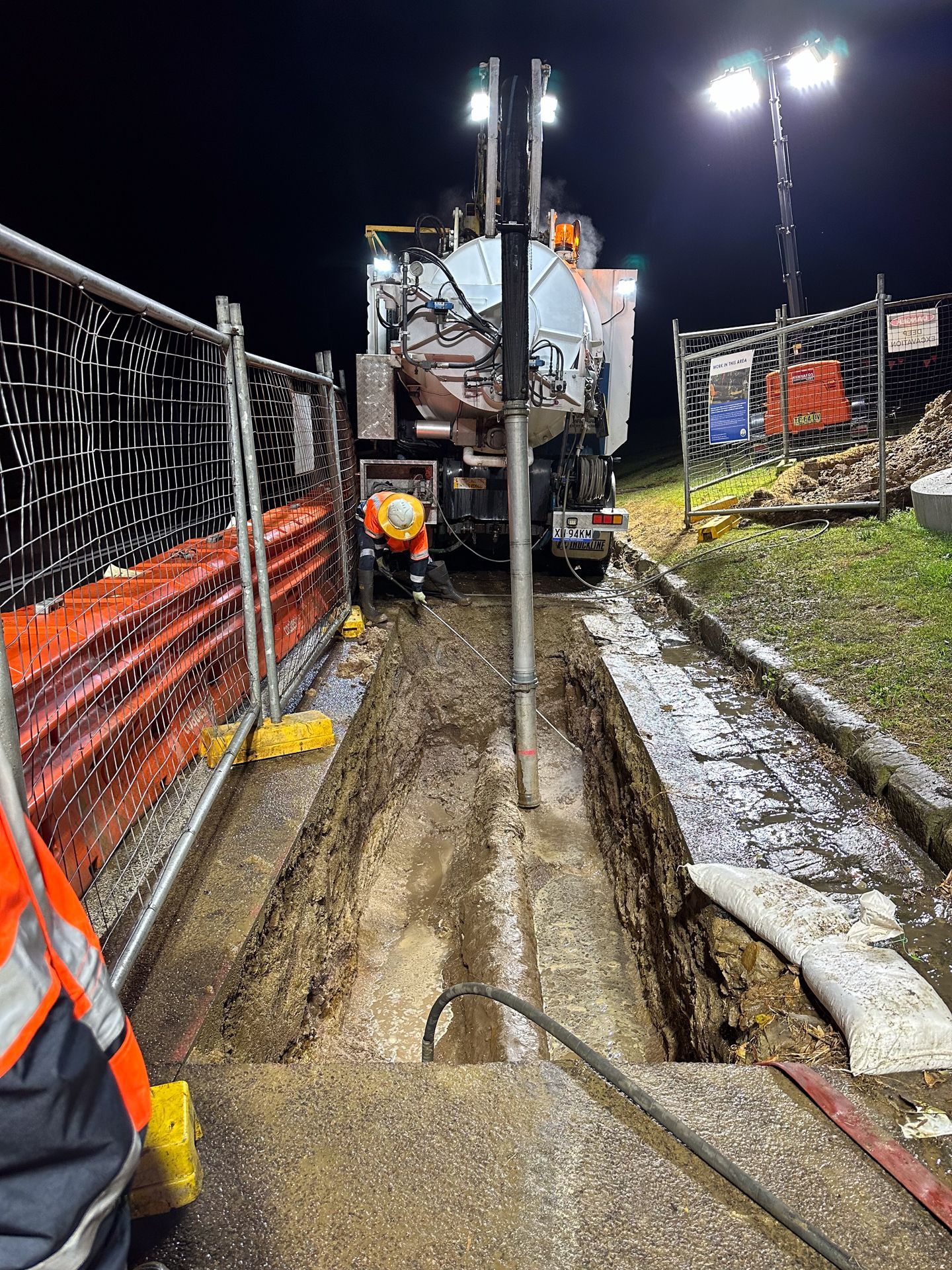
A professional drain jetting service will begin with an assessment of the blockage, which may include a CCTV inspection to identify the location and nature of the obstruction. The jetting crew then deploys high-pressure hoses through access points or inspection openings, working systematically through the affected line until flow is restored. On larger jobs, the cleared material may need to be vacuumed out rather than flushed through.
Combining jetting with CCTV inspection
For drainage assets that have been blocked multiple times, or that form part of council or government infrastructure, combining drain jetting with a CCTV pipe inspection is best practice. The CCTV inspection provides a visual record of the pipeline condition before and after jetting, identifies any structural issues or root intrusion points that caused the blockage, and provides the documentation required for council asset management or project handover.
Getting a drain jetting crew on site
For most project applications, you’ll want a crew that can respond within 24–48 hours, has equipment scaled to your drain diameter and flow rate, can work within your site safety management system, and can provide documentation and a service report for your project records. If your drainage connects to council infrastructure, confirm that your contractor is familiar with council asset and compliance requirements.
HD Underground Service Locating and NDD Excavation provides professional drain and sewer jetting services for construction, civil, and government projects across New South Wales.
Contact us today for more information.