How vacuum truck liquid waste removal works
How vacuum truck liquid waste removal works: A guide for project managers
Effective liquid waste management plays an important role in maintaining safe, compliant, and productive worksites. Whether you're managing a civil construction project, infrastructure upgrade, industrial facility, or government contract, the way liquid waste is collected, transported, and disposed of can have a direct impact on project timelines, environmental obligations, and site safety.
This guide explains how vacuum truck
liquid waste removal works, the types of waste that can be managed, and the key considerations for maintaining compliance across New South Wales.
What is vacuum truck liquid waste removal?
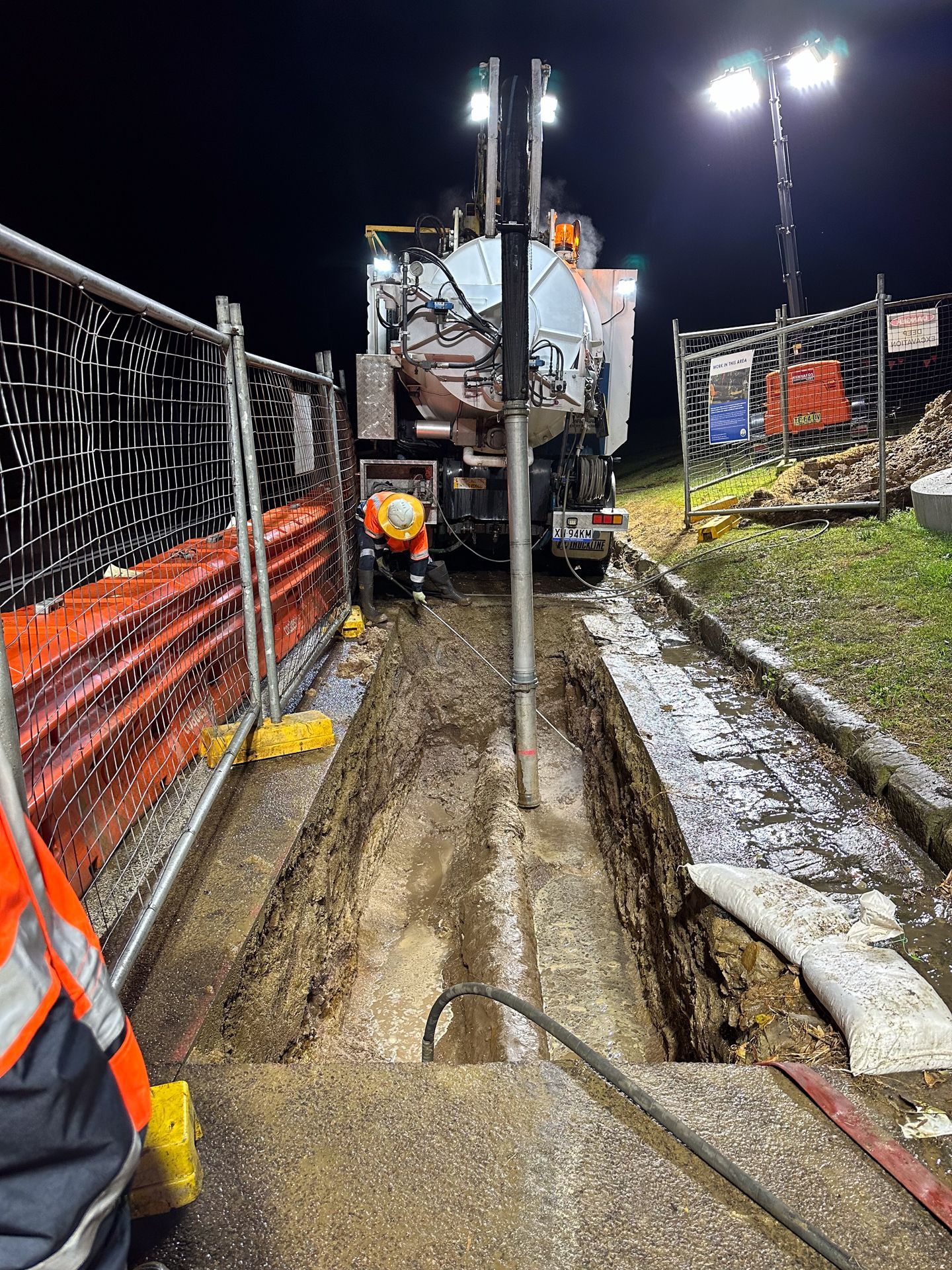
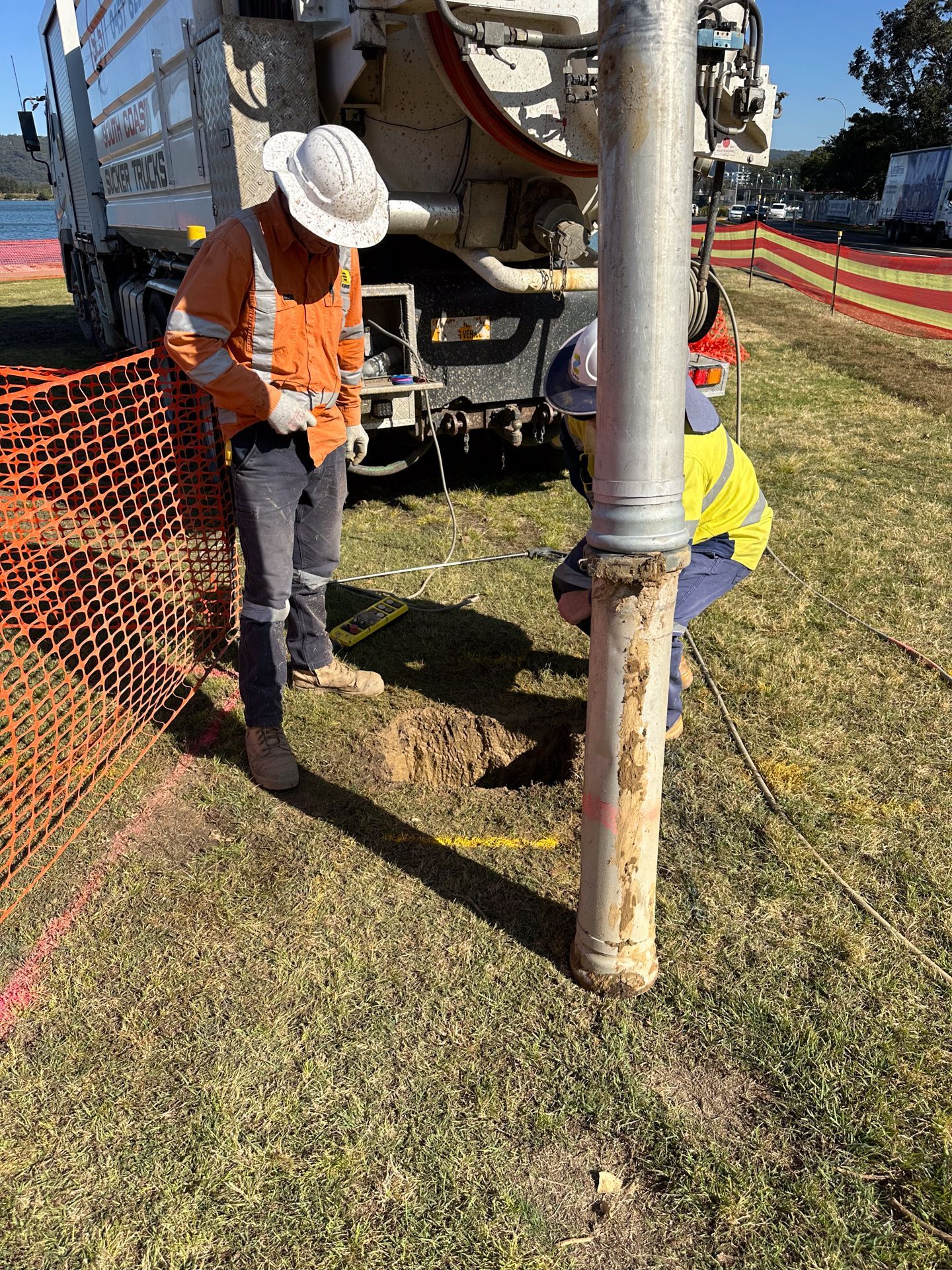
A vacuum truck uses a powerful onboard pump to suck liquid waste, slurry, or contaminated material from a site into a sealed onboard tank. The tank is then transported to a licensed disposal or treatment facility. Vacuum trucks are designed for high-volume, high-viscosity materials that can’t be managed with standard drainage or pump systems.
What types of waste can be removed?
Vacuum trucks can handle a wide range of liquid and semi-liquid waste streams, including hydro excavation slurry and vacuum spoil, contaminated groundwater and stormwater runoff, industrial and trade wastewater, sump and pit pump-out, grease trap waste, and sewage and septic waste. The specific types of waste a contractor can handle depend on the licences they hold and the disposal facilities they’re permitted to use.
What are the compliance obligations in New South Wales?
Liquid waste management in New South Wales is primarily regulated under the Protection of the Environment Operations Act 1997 (POEO Act) and associated EPA regulations. Compliance requirements generally include using a licensed waste transporter for controlled waste, ensuring waste is disposed of at an approved facility, and maintaining accurate records detailing the waste type, volume, origin, and disposal location. Certain waste streams containing hazardous contaminants may also require additional approvals or tracking documentation.
For projects operating on government or council land, liquid waste management is often incorporated into broader environmental management obligations, including site-specific waste management plans and reporting requirements.
Choosing the right vacuum truck contractor
Not all vacuum truck operators are licensed or equipped to manage every type of liquid waste. Selecting the right contractor is essential for maintaining compliance, minimising risk, and avoiding costly project disruptions.
When assessing providers, confirm they hold the appropriate EPA waste transport licences for the waste streams generated on your site. It is also important to review their disposal facility partnerships and waste tracking documentation, ensure their equipment is suitable for the volume and consistency of the waste being removed, and verify that they carry adequate public liability and environmental liability insurance coverage.
Mine-spec trucks: What’s the difference?
Mine-spec vacuum trucks are built to higher safety and operational standards than standard commercial units. They typically include features such as spark suppression systems, larger tank capacities, and enhanced monitoring equipment for hazardous or high-volume environments. Commonly used on mining, infrastructure, and government projects, mine-spec units help meet stricter site access, safety, and compliance requirements while reducing operational risk.
Getting started with liquid waste removal
The first step is a clear brief on what type of waste you’re generating, the estimated volume, and the site location. From there, your waste contractor can advise on the right equipment, the appropriate disposal pathway, and the documentation requirements for your project. The more detail you provide upfront, the faster you’ll get an accurate quote and confirm a mobilisation timeline.
HD Underground Service Locating and NDD Excavation operates licensed vacuum trucks for liquid waste removal across New South Wales, including mine-spec equipment for high-risk and government environments.
Get in touch to discuss your project requirements.