Hydro excavation vs traditional digging: What every contractor should know
Choosing the right excavation method can have a significant impact on project safety, productivity, and cost. While traditional excavation remains an effective solution for many applications, hydro excavation has become the preferred choice for contractors working around underground utilities and critical infrastructure.
Understanding the strengths and limitations of each approach can help project managers, site supervisors, and contractors make informed decisions that reduce risk and improve project outcomes.
What is hydro excavation?
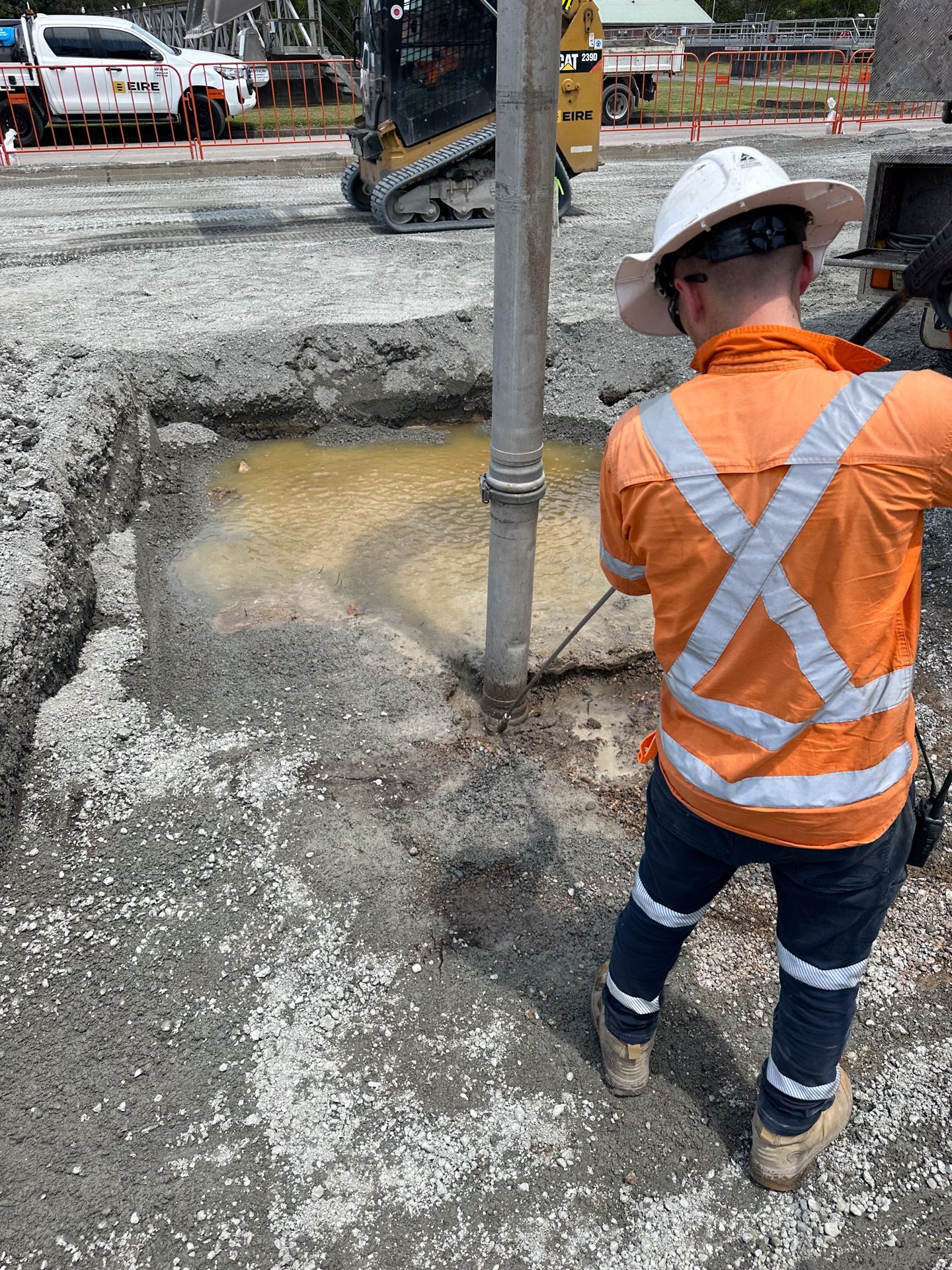
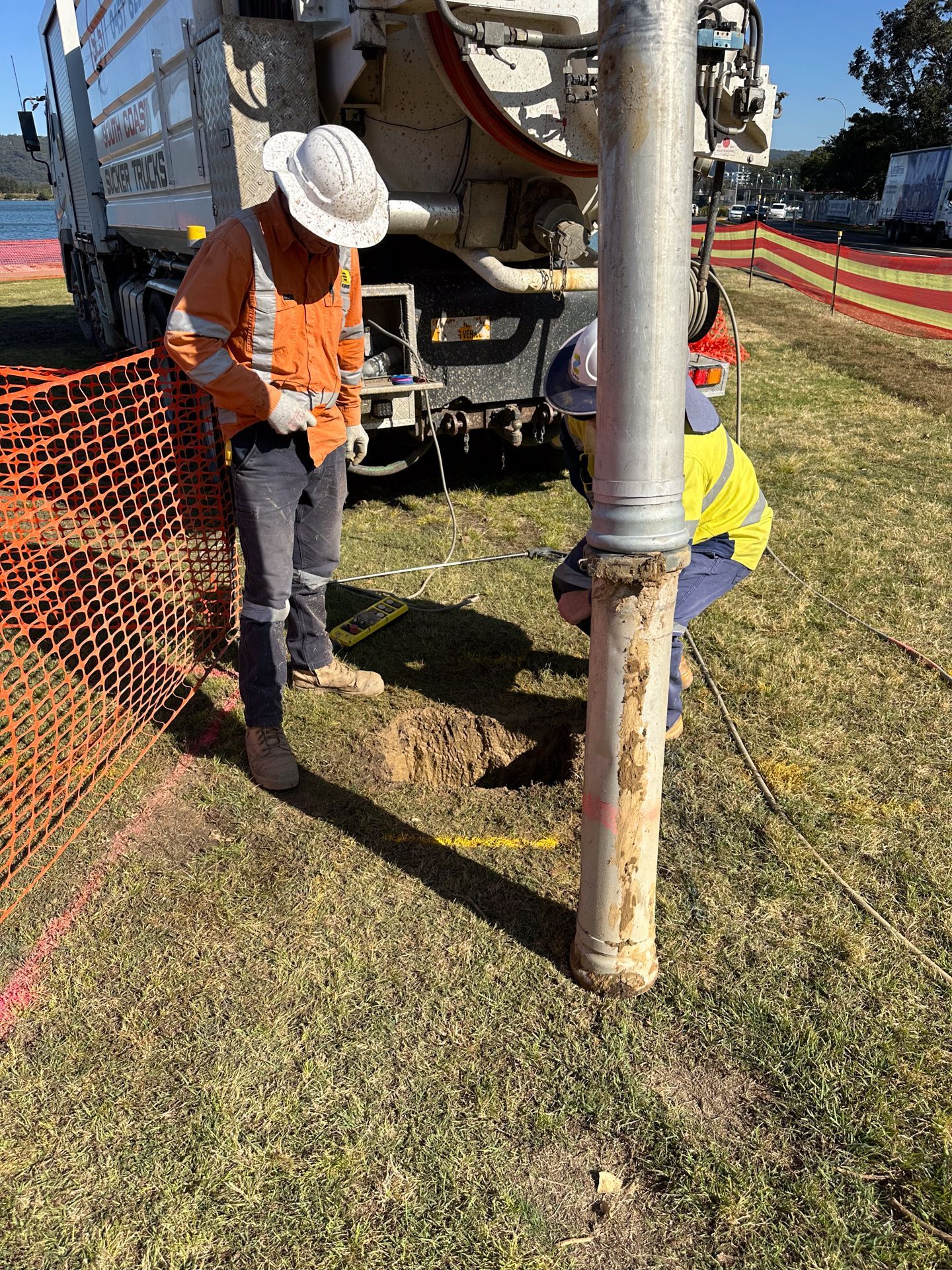
Hydro excavation (also called non-destructive digging) uses pressurised water to break up soil, and a powerful vacuum to extract the spoil. The result is a precise, controlled excavation that exposes underground assets without the service strike risk that comes with a mechanical bucket or a shovel. The spoil is collected in an onboard tank and removed from site — no mess, no manual handling.
The problem with traditional digging near utilities
Traditional excavation methods — backhoes, graders, hand tools — have been the industry standard for decades. But when utilities are involved, the risk profile changes significantly. A misread plan, a small positional error, or a single misjudged machine movement can result in a gas line rupture, an electrical strike, or a flooded trench. The cost of a service strike goes well beyond repair bills. Delays, WorkCover investigations, potential fatalities, and project shutdowns can follow. The consequences of an unlocated strike can also involve regulatory action and significant legal liability.
How hydro excavation reduces that risk
The precision of hydro excavation is its core advantage. Because the excavation is driven by water rather than a mechanical tool, there’s no blunt force applied to buried assets. Even if the vacuum head makes contact with a conduit or pipe, the damage risk is minimal compared to a mechanical bucket.
In addition, most hydro excavation crews combine NDD with pre-dig utility locating, which creates a second layer of protection before any excavation begins. This is increasingly required by safety management plans on government and Tier 1 contractor sites.
Does hydro excavation costs stack up?
This is the question most project managers ask. The short answer: yes, when you factor in the full risk picture.
Hydro excavation typically has a higher day rate than a standard excavator and operator. But when you account for the avoided cost of service strikes — which can run into tens or hundreds of thousands of dollars depending on the asset — the economics change quickly. Add in the cost of project delays, contractor investigations, and rework, and NDD becomes the more cost-effective option in anything near live services.
When traditional excavation still makes sense
Hydro excavation isn’t the right tool for every cut. For bulk earthworks in open ground away from utilities, a conventional excavator remains the more efficient and economical choice. The value of NDD holds up when the excavation is close to utility corridors, when site conditions are tight, or when the accuracy of the dig is critical to protecting existing assets.
The bottom line
If your project involves digging within service corridors, near existing infrastructure, or in any area where utility plans carry uncertainty, hydro excavation is the safer and ultimately more cost-effective approach.
HD Underground Service Locating and NDD Excavation provides specialist hydro excavation (NDD) services to civil contractors, government departments, and Tier 1 infrastructure teams across New South Wales. Give us a call to discuss your project requirements and how our services can help you.