What is non-destructive digging and when do you need it?
What is non-destructive digging and when do you need it?
Non-destructive digging (NDD) has become a standard excavation method across civil, infrastructure, government, and utility projects throughout New South Wales. Designed to safely expose underground assets without damaging them, NDD helps contractors reduce risk, improve accuracy, and maintain compliance when working around existing services.
If you're new to the term or need to explain it to a client, project manager, or stakeholder, this guide outlines what NDD is, how it works, and when it should be considered.
NDD in plain language
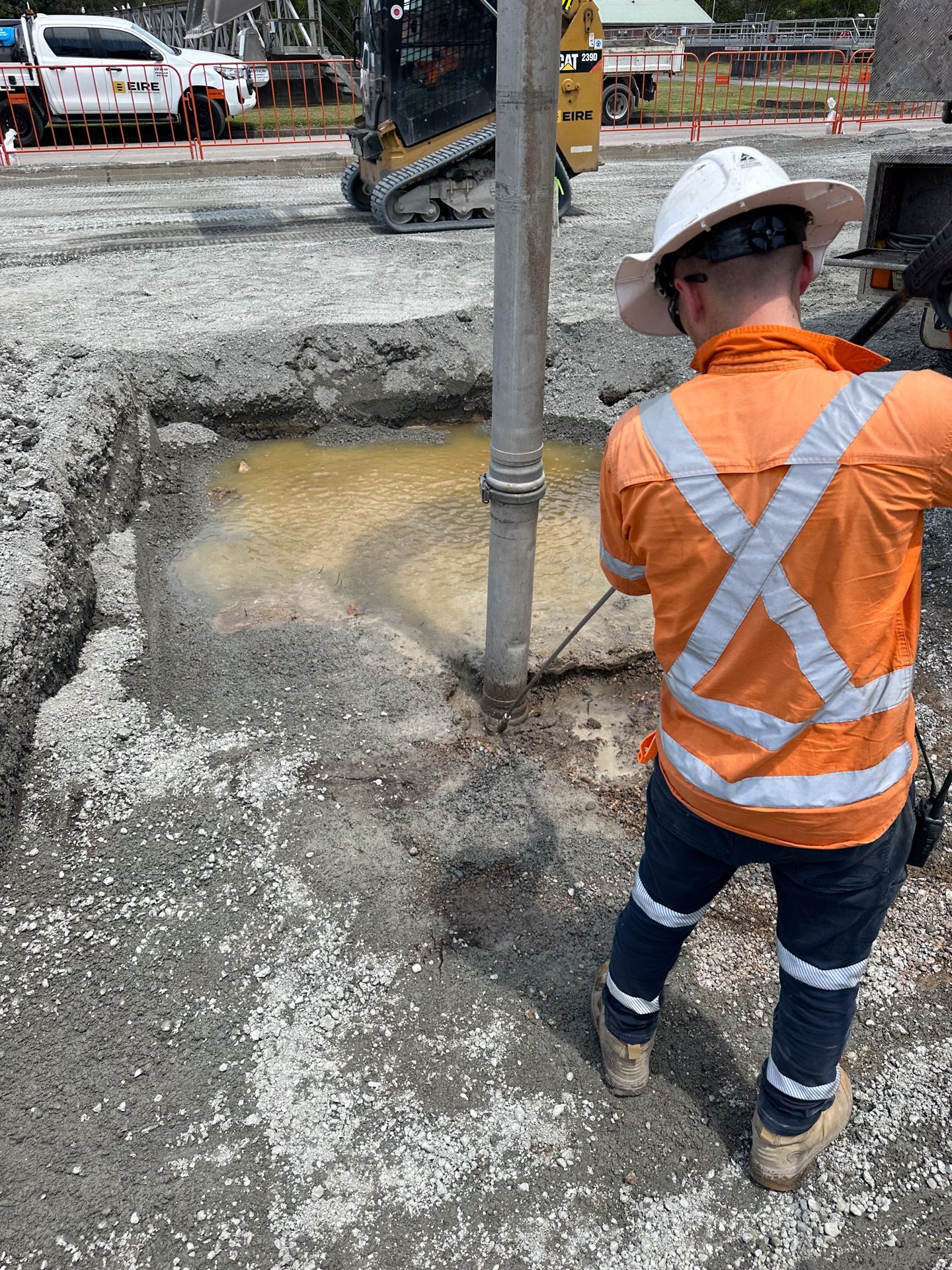
Non-destructive digging is exactly what it sounds like: a method of excavation that removes soil without causing damage to buried services, utilities, or structures. Instead of using a mechanical bucket or hand tools, NDD uses a high-pressure water jet to break up soil, combined with a powerful vacuum to extract the spoil. The process is controlled, precise, and leaves buried assets intact.
How the process works
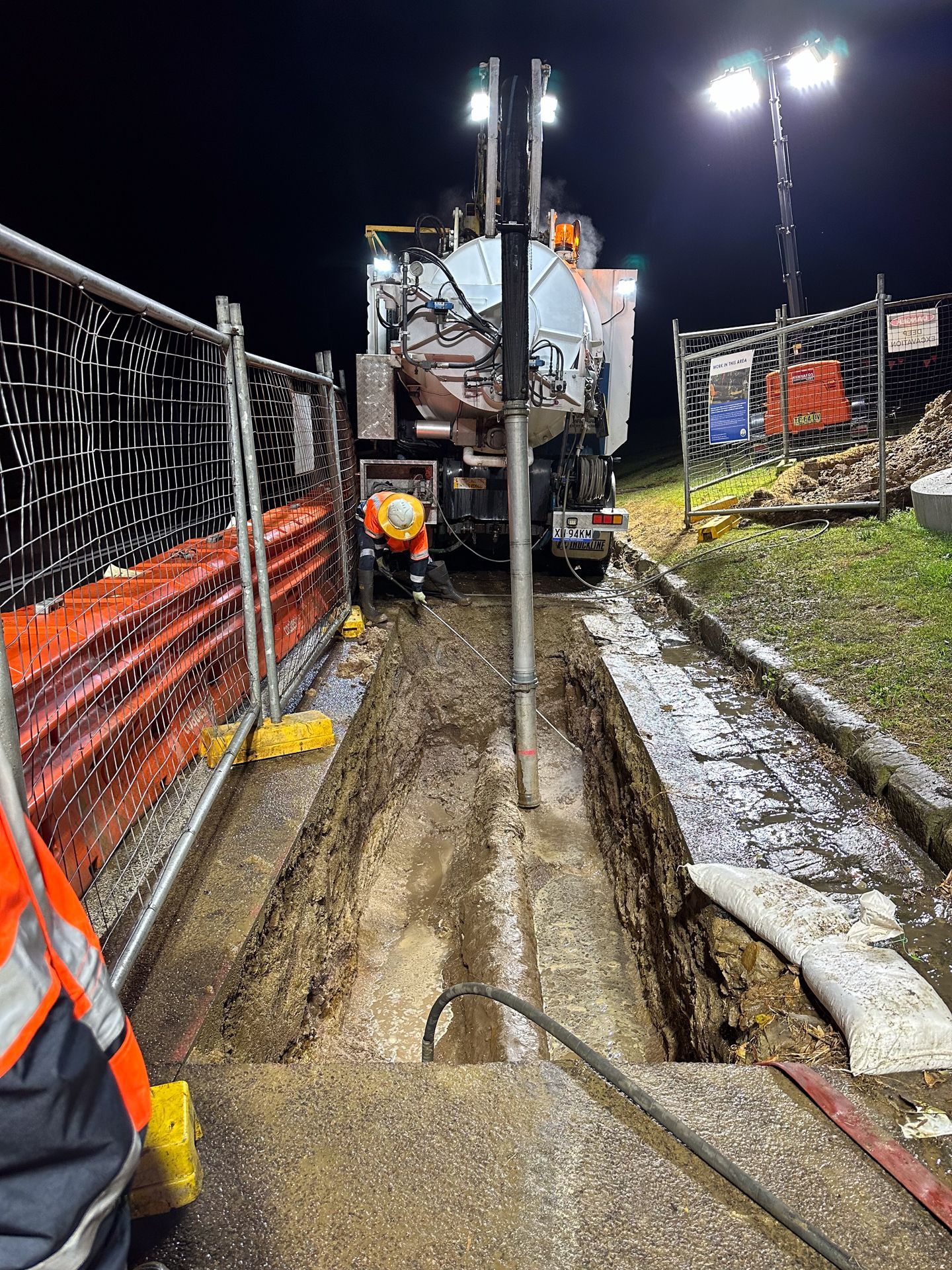
An NDD truck carries two main systems: a high-pressure water pump and a vacuum excavation unit. The operator directs pressurised water at the dig area, which turns the soil into a slurry. The vacuum then draws the slurry up into an onboard spoil tank, which can be transported and disposed of off-site.
The result is a clean, controlled excavation hole or trench that exposes underground assets without applying any mechanical force to them. In most project environments, NDD is combined with prior utility locating to create a double layer of protection.
When is NDD required?
NDD is increasingly mandated by safety management plans on government and Tier 1 contractor sites in New South Wales, particularly when excavation is within designated utility corridors.
Common trigger points include:
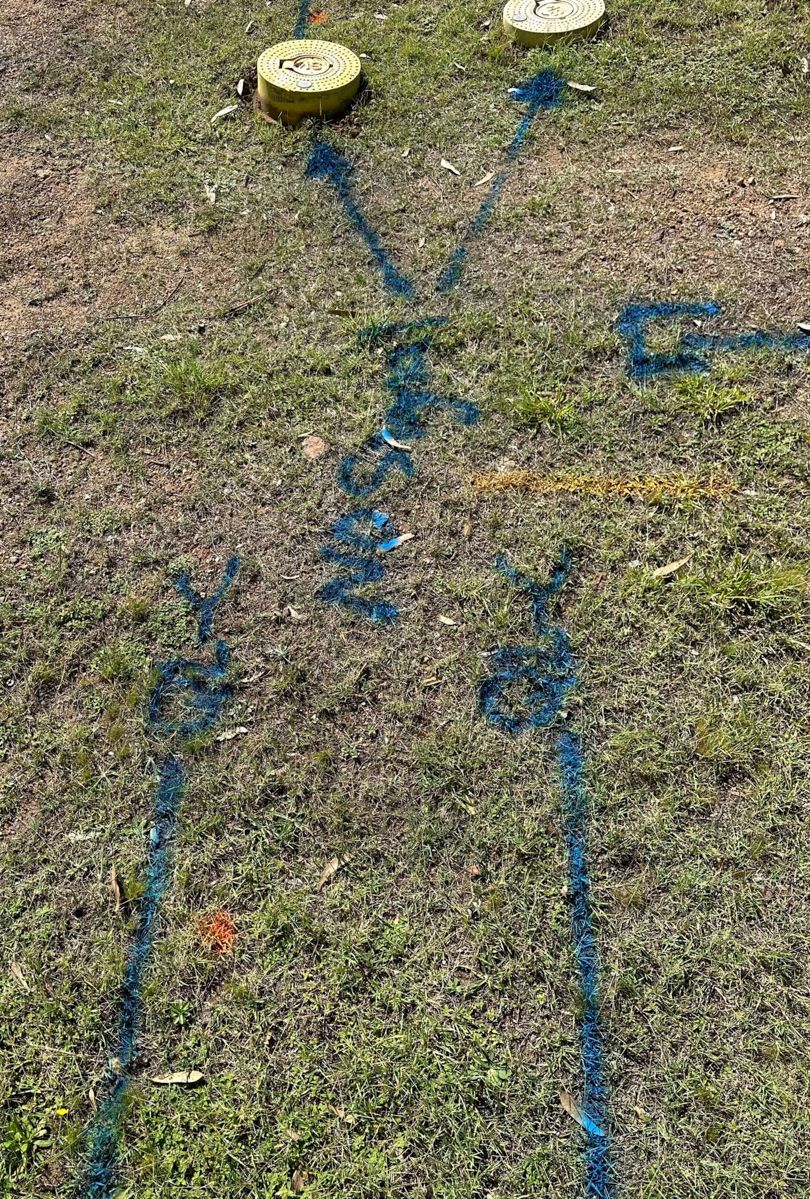
- Excavation within 300mm of a marked utility
- Work in road reserves, footpaths, or areas with dense service corridors
- Projects where Before You Dig Australia records show live services nearby
- Any excavation near high-voltage electricity or high-pressure gas assets
- Council or government projects with specific method statements requiring NDD
NDD vs potholing — are they the same thing?
You’ll often hear the terms ‘potholing’ and ‘NDD’ used interchangeably, and in most practical contexts they refer to the same technique. Potholing specifically refers to the process of creating a small, precise hole to expose a buried utility at a known location. It is one of the most common NDD applications. NDD, meanwhile, is the broader category that includes potholing as well as larger trench excavations, bulk slot cutting, and other applications.
What assets can NDD expose safely?
NDD is used to safely expose a wide range of buried services, including water mains and sewer lines, high-voltage and low-voltage electricity cables, gas distribution and transmission pipelines, telecommunications conduits and fibre, and stormwater drainage infrastructure.
Finding an NDD contractor in New South Wales
When selecting an NDD contractor, look for a team with specific experience in hydro excavation (not just general earthmoving), the right equipment for your project scale, a track record on similar civil or government projects, and full licensing, insurance, and where required, ISO accreditation.
HD Underground Service Locating and NDD Excavation is a specialist NDD and hydro excavation contractor based in Maitland, supporting mining, civil, government, and infrastructure projects across New South Wales. Call our hotline or
fill out our enquiry form to discuss your project.