Underground cable locating before excavation: What you need to know
Excavation around buried infrastructure carries real risk. Electrical cables, telecommunications, water, gas, sewer and other services may sit beneath an otherwise ordinary work area, and their recorded position does not always tell the full story. Underground cable locating helps project teams build a clearer picture of what is below ground before excavation begins.
For civil contractors, councils, utilities and infrastructure crews, locating is an important part of planning work around existing assets. Used alongside current service plans and controlled potholing, it can help reduce uncertainty, improve excavation planning and support safer work around buried infrastructure.
What is underground cable locating?
Underground cable locating is the process of identifying the position and route of buried services using specialised locating equipment and available site information. Although the term often refers to electrical and communications cables, locating work may form part of a broader underground utility investigation involving other services that could affect excavation.
The objective is not simply to mark a line on the ground. A useful locate helps the project team understand where known services are likely to run, where further verification may be required and how excavation should be planned around potential hazards.
Our underground cable locating service supports civil, infrastructure, mining and utility projects across Newcastle and regional New South Wales.
Why service plans are only the starting point
Before You Dig Australia (BYDA) provides access to plans and information from participating asset owners and is an important first step when planning work near underground infrastructure. These plans help identify known utilities within and around a proposed work area.
However, plans should not automatically be treated as an exact representation of what will be found onsite. Asset records may not reflect every change made over the life of a site, and the recorded alignment or depth may differ from actual conditions.
SafeWork NSW also recognises that available information about underground services may not always be accurate and identifies underground locating equipment and potholing as methods used to establish service locations. This is why good excavation planning combines available records with physical onsite investigation rather than relying on one source of information alone.
How underground cable locating fits into safe excavation planning
A practical locating process generally starts before machinery breaks ground. The project team reviews available service information, considers visible site clues and identifies the areas where buried infrastructure may interact with the proposed excavation.
A trained locator can then use suitable electronic locating equipment to identify detectable underground services and mark their likely alignment onsite. The information gathered can help operators plan excavation zones, establish controls and determine where additional verification is needed.
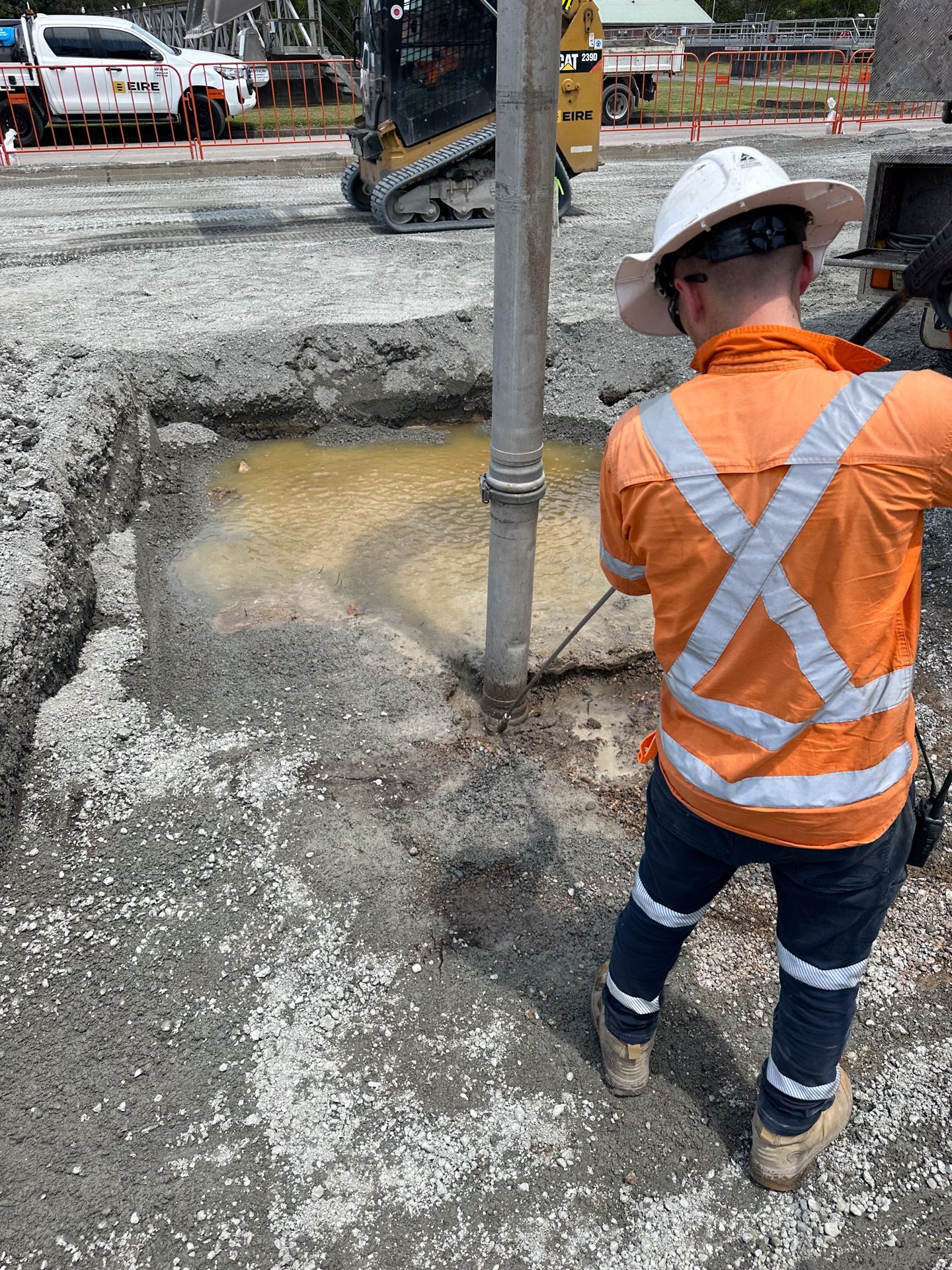
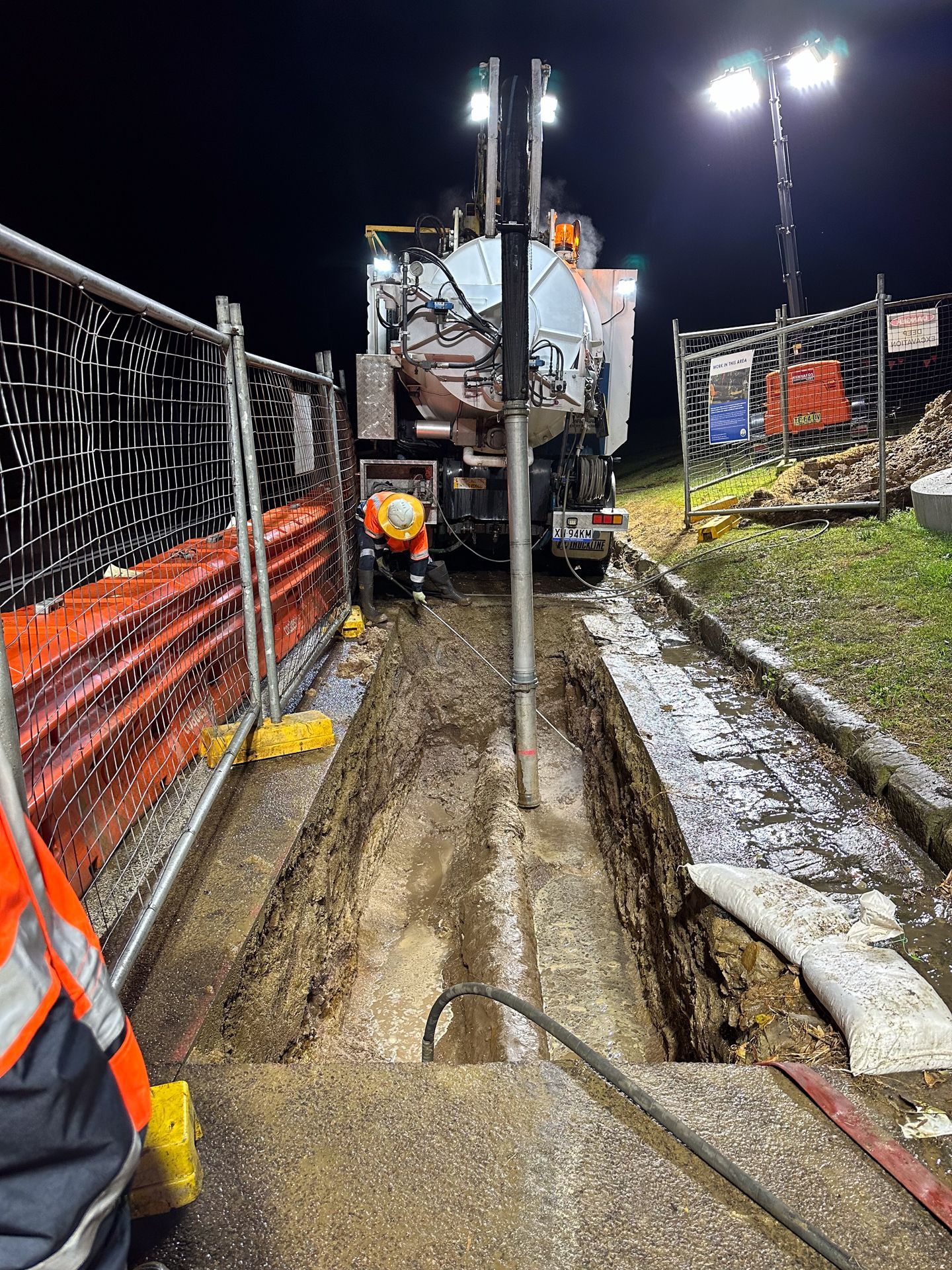
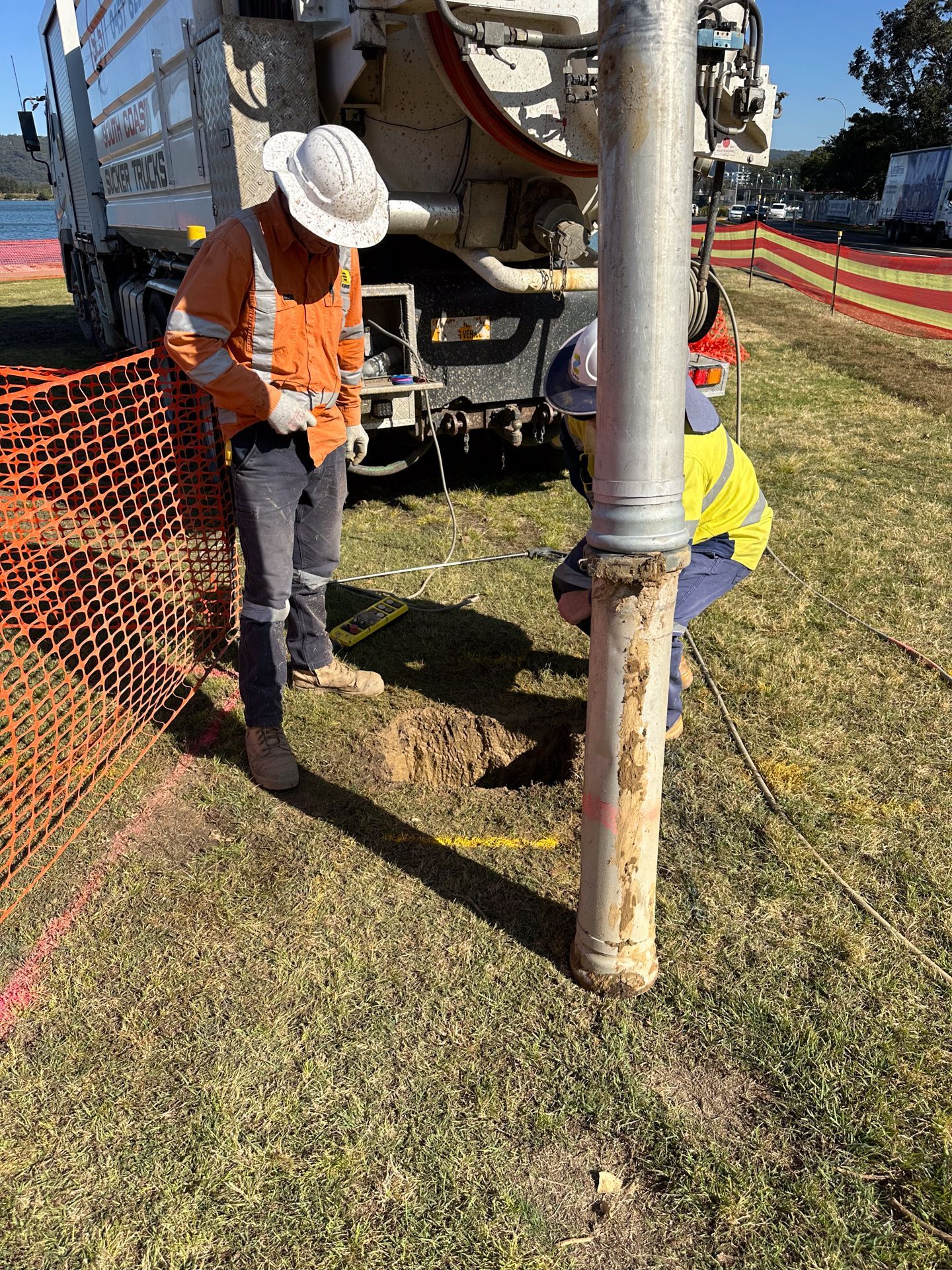
Where an asset must be physically confirmed, non-destructive potholing may be used to expose it carefully. Our hydro excavation services can support this process by using pressurised water and vacuum extraction to expose underground infrastructure with less mechanical impact around the asset.
This combination of plans, locating and physical verification provides a stronger basis for excavation decisions than relying on drawings alone.
When should underground cable locating be arranged?
Locating should be considered whenever planned work could disturb ground near existing infrastructure. This includes excavation for civil construction, drainage, roadworks, trenching, utility installation, site preparation and infrastructure upgrades.
It can be particularly valuable on established or complex sites where several services may cross the same work area. Older industrial sites, road corridors, commercial properties and major infrastructure projects can contain multiple generations of underground assets, making careful investigation especially important.
Locating is also useful when the work area has changed since original services were installed, or where there is uncertainty about how accurately existing plans represent current conditions.
What happens after services are located?
Locating does not remove the need for excavation controls. Once services have been identified, the information should be communicated clearly to the people planning and carrying out the work. Markings, plans and any relevant asset-owner requirements should be considered when deciding how excavation will proceed.
If the precise position or depth of a service needs to be verified, the next step may involve potholing or another approved non-destructive method. SafeWork NSW guidance for excavation work emphasises obtaining current underground essential services information and managing the risks associated with working near those assets.
The key is to treat locating as part of a wider safe-work process. It gives the project team better information to work with, but that information still needs to be incorporated into site planning, supervision and excavation methods.
BYDA plans, locating and potholing each serve a different purpose
These steps are most useful when they complement one another. BYDA plans provide available asset-owner information before work starts. Electronic locating helps translate that information into onsite findings and can identify the likely alignment of detectable services. Potholing then allows selected assets to be physically exposed where accurate verification is required.
For projects around critical infrastructure, skipping one stage can leave unnecessary uncertainty. A coordinated approach gives contractors and project managers a clearer understanding of underground conditions before higher-risk excavation proceeds.
For further guidance, review SafeWork NSW construction and excavation information before planning ground-disturbing work.
Arrange underground cable locating for your NSW project
If your project involves excavation near buried infrastructure, start by understanding what is beneath the work area. Explore our underground cable locating services to learn how we support asset identification and excavation planning across Newcastle and regional NSW.
Need locating, hydro excavation or broader underground utility support for an upcoming job? Contact our team with your site location, project scope and required timeframe so we can discuss the most suitable approach.